




There are 319 Mexican grey wolves in New Mexico , the word LOBO comes from the Mexican grey wolf the rarest and most endangered of all wolves and also the mascot of the University of New Mexico; so when you proudly wear your UNM LOBO regalia remember the wolves who’s strong unwavering spirit we represent and do your part to protect them and the delicate ecosystem they keep in the Balance, call your senator and habitat park rangers and donate to keep the LOBO spirit alive! GO LOBOS!
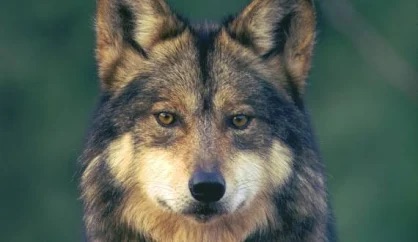

The Plight of the Mexican Gray Wolf
The Mexican gray wolf (Canis lupus baileyi), often called el lobo, is one of North America’s most endangered mammals. Once roaming widely across the deserts, grasslands, and mountain forests of the American Southwest and northern Mexico, this unique subspecies of gray wolf was pushed to the brink of extinction through decades of persecution, habitat loss, and human conflict. Although conservation efforts have prevented its disappearance, the Mexican gray wolf continues to face significant challenges in its struggle for survival.
A History of Decline
For thousands of years, Mexican gray wolves played an important role as apex predators, helping maintain healthy ecosystems by regulating populations of deer, elk, and other prey species. However, as European settlers expanded across the Southwest during the nineteenth and early twentieth centuries, attitudes toward wolves became increasingly hostile.
Ranchers viewed wolves as threats to livestock, and government agencies launched widespread predator-control campaigns. Wolves were trapped, shot, and poisoned throughout their range. By the 1970s, the Mexican gray wolf had been nearly eradicated from the wild in both the United States and Mexico.
Recognizing the danger of extinction, wildlife officials captured the last remaining wild Mexican gray wolves for a captive breeding program. Remarkably, the entire surviving population descended from only a handful of animals. While this effort saved the subspecies from extinction, it also created long-term genetic challenges.
The Road to Recovery
In 1998, conservationists began reintroducing captive-bred Mexican gray wolves into portions of Arizona and New Mexico. The goal was to restore a self-sustaining wild population and reestablish the ecological role wolves once played in the region.
The reintroduction program achieved important successes. Wolves established packs, reproduced in the wild, and gradually expanded their numbers. Today, the population is significantly larger than it was at the start of the recovery effort.
Yet recovery remains fragile. The population is still relatively small compared with historical numbers, and the wolves occupy only a fraction of their former range. Conservationists warn that true recovery requires larger, connected populations capable of maintaining healthy genetic diversity over the long term.
Ongoing Threats
Despite legal protections, Mexican gray wolves continue to face numerous threats.
Human-Wildlife Conflict
One of the most persistent challenges involves conflicts with livestock producers. While wolves primarily hunt wild prey, some occasionally attack cattle or sheep. These incidents can lead to demands for wolf removal and generate opposition to recovery efforts.
Wildlife agencies often work with ranchers to reduce conflicts through nonlethal methods such as range riders, guard animals, and improved livestock management. However, tensions between conservation goals and economic concerns remain.
Illegal Killing
Poaching continues to be a significant cause of wolf mortality. Some wolves are illegally shot despite federal protections. Because the population remains relatively small, the loss of even a few breeding animals can have a substantial impact on recovery efforts.
Genetic Limitations
The Mexican gray wolf’s narrow genetic foundation is another major concern. Descended from a very small number of founders, the population has limited genetic diversity. This can increase the risk of inherited health problems and reduce the population’s ability to adapt to environmental changes.
Conservation biologists have emphasized the importance of introducing new genetic lines from captive populations into the wild to strengthen the species’ long-term viability.
Habitat Fragmentation
Roads, development, and other human activities can fragment habitat and make it more difficult for wolves to disperse and establish new territories. Connectivity between populations is crucial for maintaining genetic health and allowing wolves to recolonize suitable areas.
Why Wolves Matter
The recovery of the Mexican gray wolf is about more than saving a single species. Wolves are a keystone predator, meaning their presence influences many other parts of the ecosystem.
By helping control populations of large herbivores, wolves can affect vegetation, which in turn influences birds, small mammals, and other wildlife. Healthy predator populations contribute to balanced ecosystems and greater biodiversity.
The Mexican gray wolf also holds cultural significance. Indigenous peoples of the Southwest have long recognized the wolf’s importance in stories, traditions, and spiritual beliefs. Its recovery represents not only a biological achievement but also the restoration of an important part of the region’s natural heritage.
Looking Forward
The story of the Mexican gray wolf is one of both tragedy and hope. Human actions nearly drove the subspecies to extinction, yet dedicated conservation efforts prevented its disappearance and allowed it to return to the wild. Today, the wolf’s future remains uncertain. Continued recovery will require cooperation among wildlife managers, conservation organizations, ranchers, Indigenous communities, policymakers, and the public.
Whether the Mexican gray wolf ultimately thrives or once again declines will depend on society’s willingness to balance human needs with the preservation of one of North America’s most iconic predators. Its survival stands as a test of our commitment to protecting endangered wildlife and restoring the ecosystems upon which they depend.
Please help us increase criminal penalties for poachers of the Mexican grey wolf ..
Categories: Featured Stories